BUTTER LANE TREE FARM
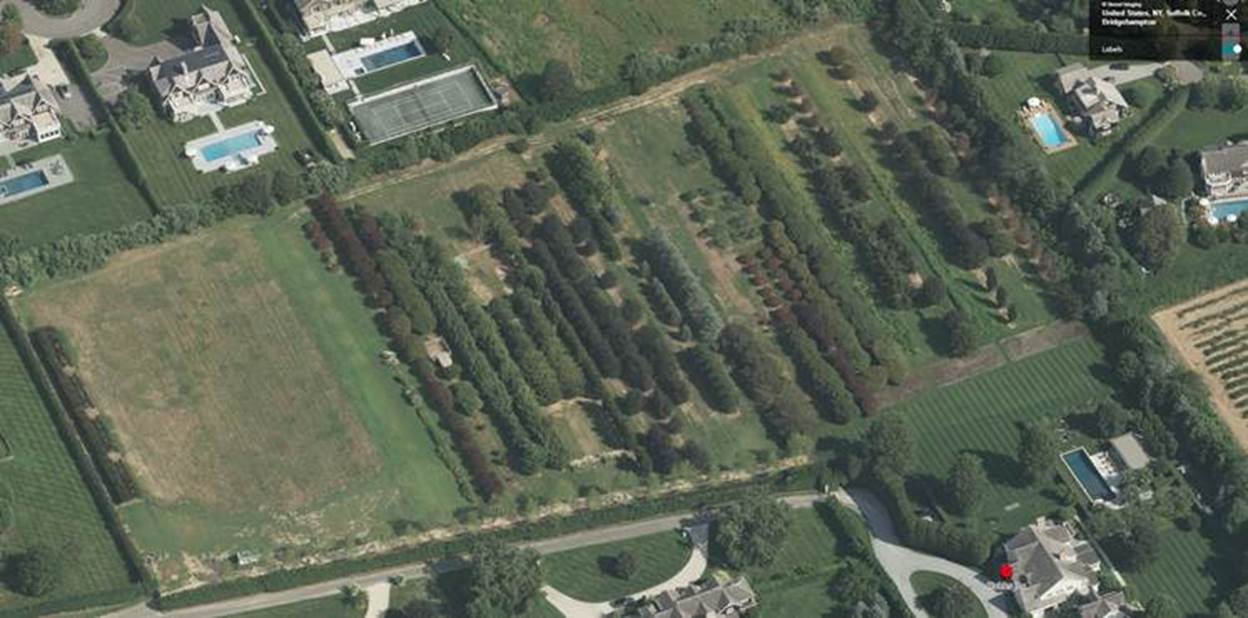
Butter Lane Tree Farm is a small tree
nursery on the East End of Long Island that grows and protects endangered tree
species and native trees. We have been a leader in developing protective
measures against Beech Leaf Disease. And we have alpacas.
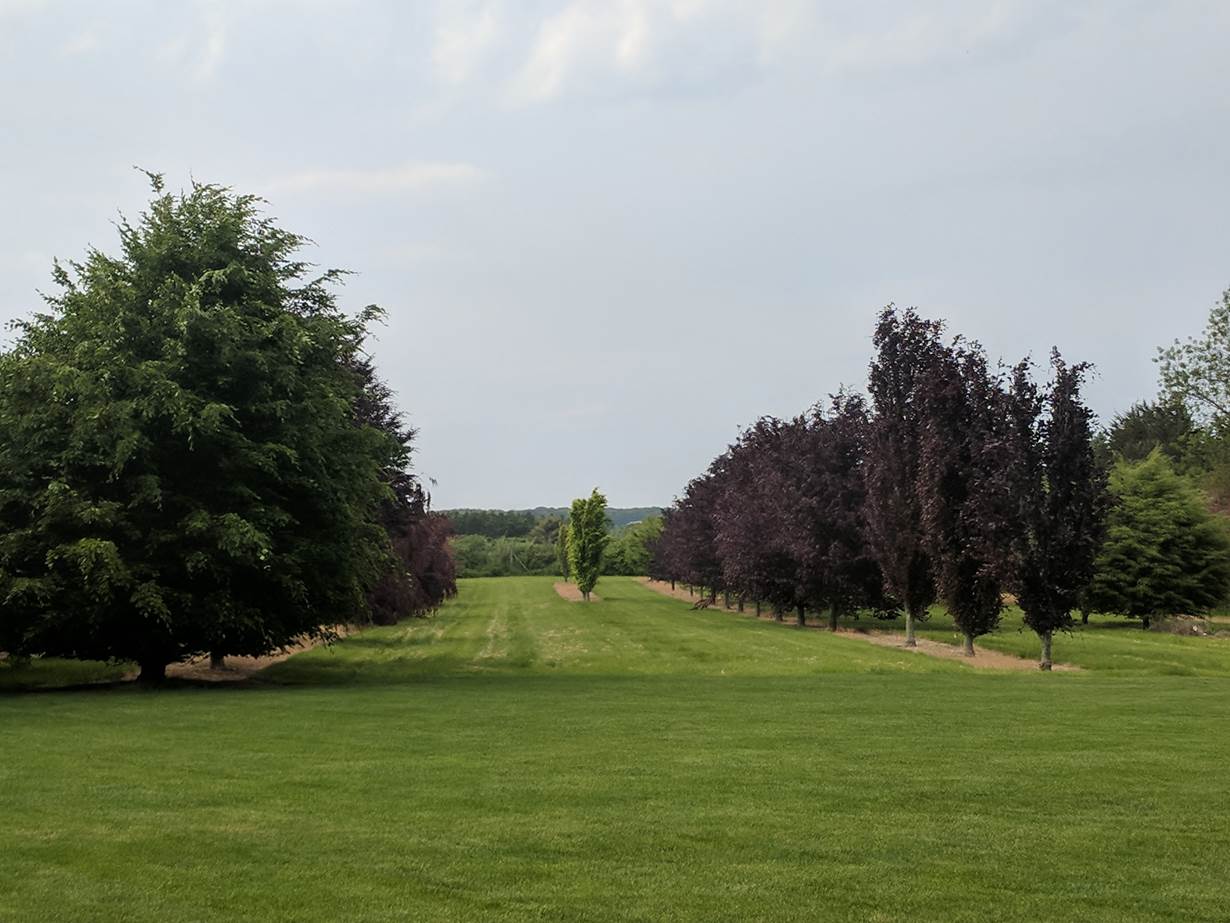
We Have Over 10
Varieties of Beech Trees
FARM HISTORY
In 2015, the Shapiro family bought a
property that included a failed tree nursery on a 9-acre agricultural preserve.
They hired a local certified arborist—Brendon
Prado (who is also a Fire Chief in the Springs)—to work full time to bring the
tree farm back to life. Brendon hired a team of workers and operators to
restore the irrigation system, move approximately 100 trees to improve spacing,
implement regular pruning, and organically address blights that were attacking some
of the trees. Invasive plants were removed, and they increased the number of
trees on the farm from 400 to over 1000. Butter Lane Tree Farm now has well
over 30 different tree species.
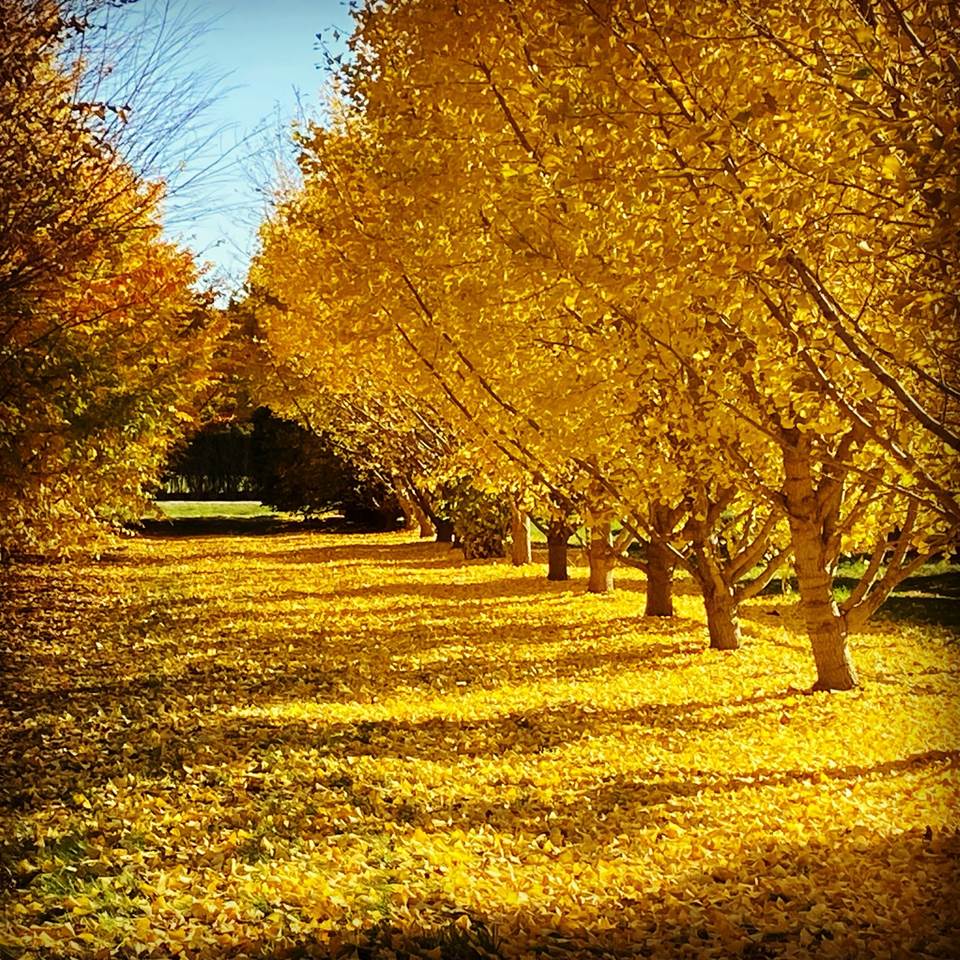
We Have Three
Varieties of Gingkos
As part of our efforts, we have
worked with the Yale Marsh Botanical Garden and the Cornell
Cooperative of Suffolk County to identify and cultivate endangered species of trees and
fight diseases that are attacking local trees.
SAVING ENDANGERED TREES
“Climate change is threatening many
species of trees, so it is essential to cultivate and relocate specimens,
protect biodiversity, and figure out how to help endangered tree species
survive in new climates.”
—Kunso
Kim, Associate
Director of Yale’s Marsh Botanical Garden who works with Butter Lane Tree Farm.
Over the last five years, Butter Lane
Tree Farm has worked to develop a list of rare and endangered trees whose
threatened status can be protected through greater cultivation in the Northeast.
At the moment, we are focused on cultivating the
following endangered tree species, which are well-suited to our area but
undersupplied:
Ashe Magnolia (Magnolia ashei)
Widely considered
the rarest magnolia in North America, the Ashe Magnolia’s natural habitat is
limited to threatened areas of the Florida panhandle. It is on Florida’s
endangered species list and in need of protection: https://blogs.ifas.ufl.edu/news/2017/02/23/ufifas-researchers-work-to-solve-mystery-of-rare-florida-tree/
Because of climate
change, Ashe Magnolias can now live and thrive in the Northeast. Butter Lane
Farm has three specimens on our property.
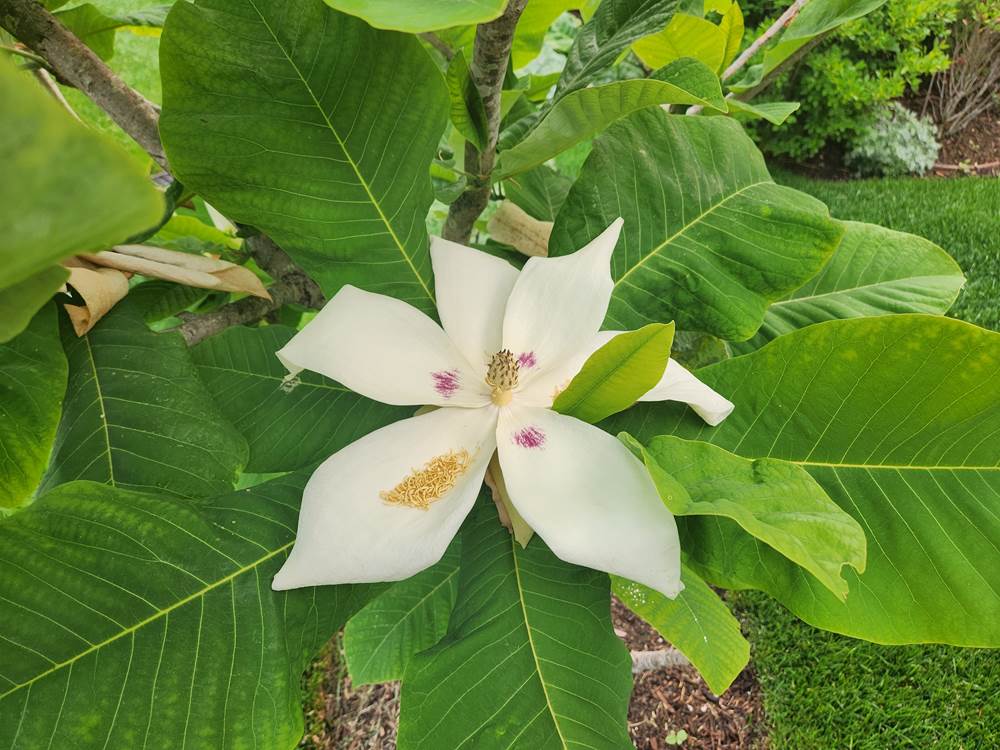
Ashe Magnolia Photo
Taken June 6, 2023
In an exciting development, after
several years of attempting to collect viable seed from Butter Lane Farm’s Ashe
Magnolia trees, the Farm has the first collection we believe suitable for
propagation.
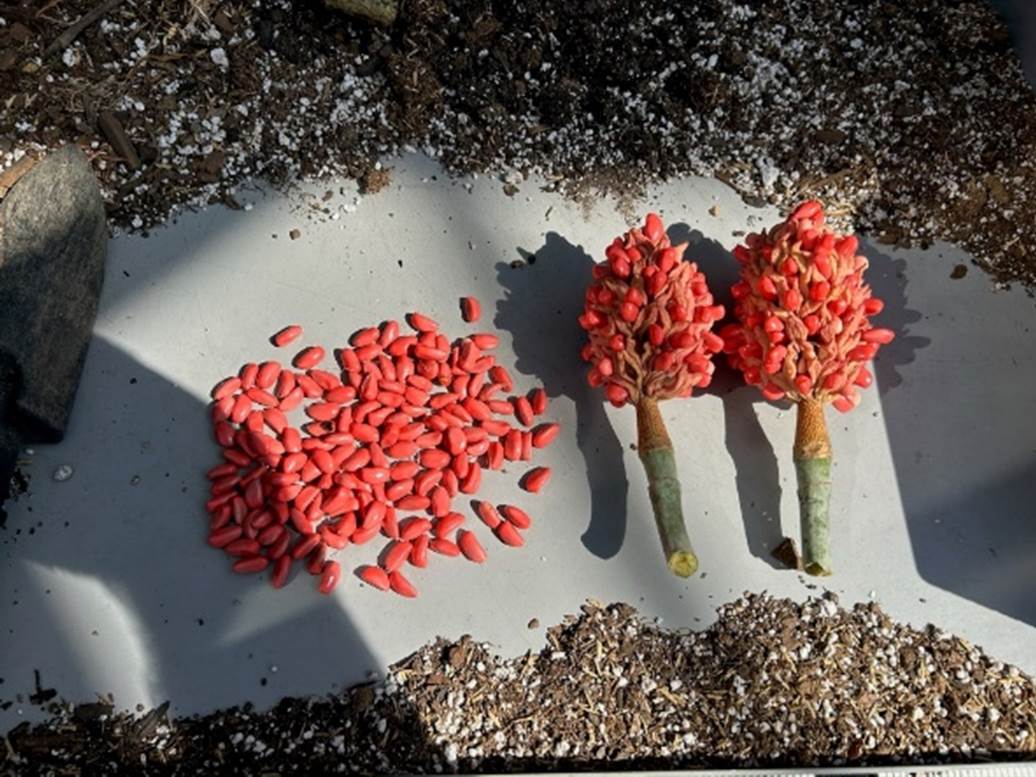
Ashe Magnolia Seed Photo
Taken October 4, 2023
Dawn Redwood (Metasequoia glyptostroboides) – IUCN Red List Endangered
The Dawn Redwood is a living fossil. It
was identified in 1941 based on fossils that were over 150 million years old.
There were no known living specimens at the time. Later in the 1940s some
living specimens were found in China and understood to match the old fossils.
Dawn Redwoods are endangered in the wild. They are cultivated successfully in
the US, UK, and China. Butter Lane Farm has five healthy mature specimens and a
larger number of smaller specimens.
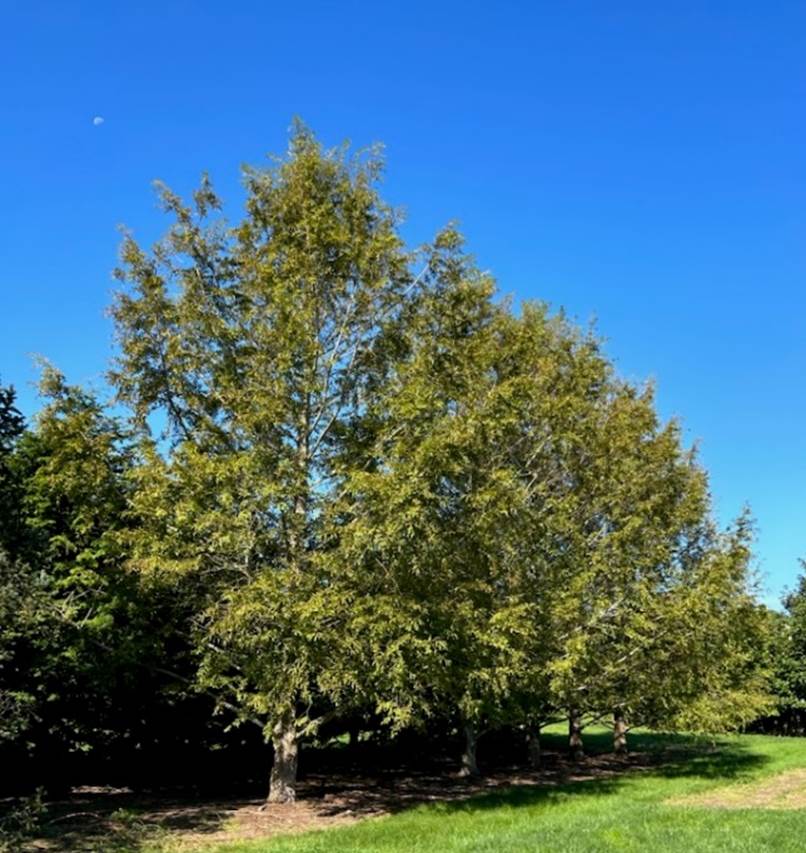
Dawn Redwoods at
Butter Lane Tree Farm
Redwood (Sequoia sempervirens) – IUCN
Red List Endangered
Redwoods (aka Coast Redwoods) are
among the tallest and fastest growing trees on Earth. Our farm has five
thriving specimens of approximately 5-6 feet in height that were grown from
cuttings, as well approximately 20 smaller specimens. These endangered trees
have been found to adapt to habitats as diverse as Scotland and New Zealand. We
also have seedlings of the Redwood’s cousin, the Giant
Sequoia (Sequoiadendron giganteum).
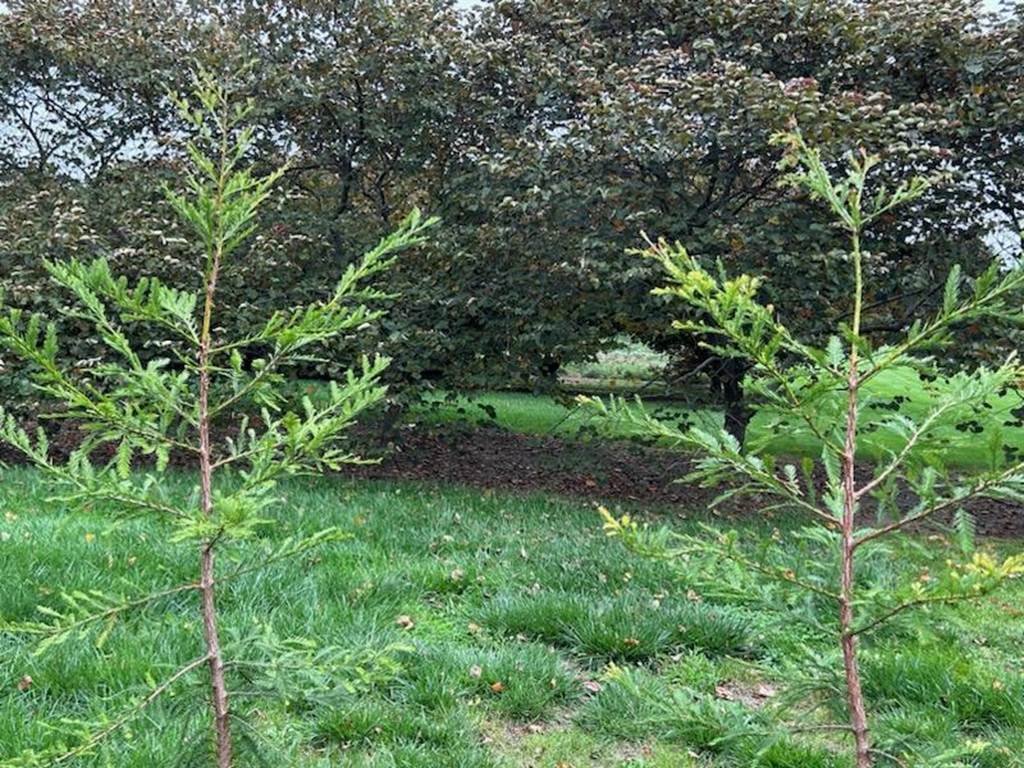
Coast Redwoods at
Butter Lane Tree Farm
Cedar of Lebanon (Cedrus
libani) – IUCN Red List Vulnerable
Cedar of Lebanon is one of the
world’s most beautiful trees. They were used as a centerpiece in the work of
Beatrix Farrand, who is considered by many to be the most important landscape
architect in US history. Our farm has three small specimens. This tree is
beautiful, slow-growing, and nearly impossible to source on Long Island.
Monkey Puzzle (Araucaria Araucana) –
IUCN Red List Endangered
A truly unique tree and another
living fossil. The Farm planted one Monkey Puzzle in 2016 that grew vigorously
despite a variety of fungus and insect attacks, but unfortunately succumbed
this year. The farm will try again with better drainage and wind protection.
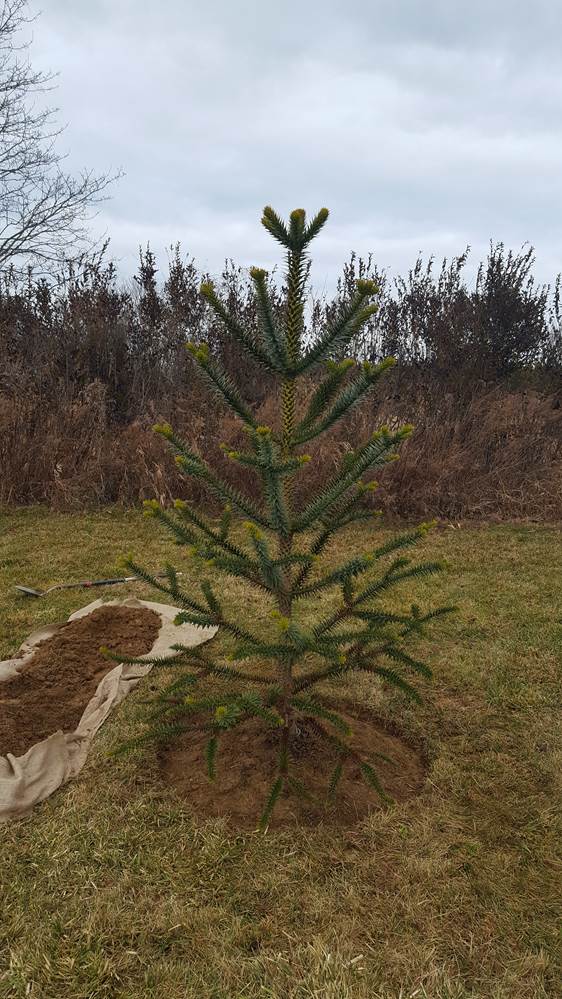
Monkey Puzzle at
Butter Lane Tree Farm
Wollemi Pine (Wollemia
nobilis) – IUCN Red List Critically Endangered
One of the rarest trees in the world.
The Farm cooperated in a research effort with the Yale Botanical Garden to
attempt propagation from cuttings off two specimens,
one held at the Yale greenhouses and one at Butter Lane Farm. It is theorized that
the Hamptons environment is now suitable for this rare tree. Unfortunately, the
experiments failed but we plan to try again.
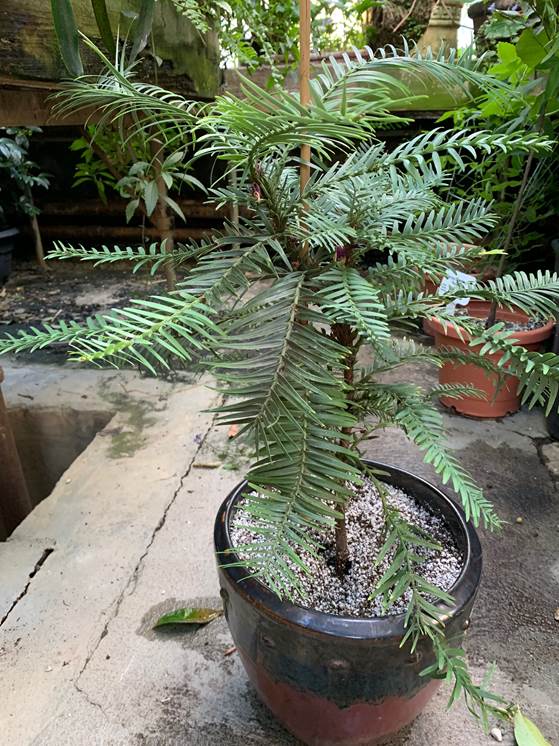
Wollemi Pine at
Butter Lane Tree Farm
NATIVE TREES
“What started out as a project has
turned into a passion”
—Adam Shapiro, who owns the farm with his family.
With the spread of Beech Leaf
Disease, it is more important than ever to find native, disease-resistant
alternatives to the Beech Tree for landscape use in our area. We have planted native
Hickory, Dogwood, White Pine, Black Cherry, and Sourwood. But we have had most
success with Tulip Poplars (Liriodendron tulipifera),
which we believe are underutilized in local landscapes.
ALPACAS AND MORE
"It has been exciting to develop
a model of regenerative agriculture on Butter Lane Tree Farm. We use the grass
clippings to fertilize the soil, the alpaca manure to fertilize the trees, wood
chippings to protect new seedlings, and the open field supports the
pollinators.”
—Brendon Prado, Arborist and Agronomist who runs
Butter Lane Tree Farm
The farm has 4 alpacas, which provide
healthy odorless fertilizer for the trees, and 14 chickens.
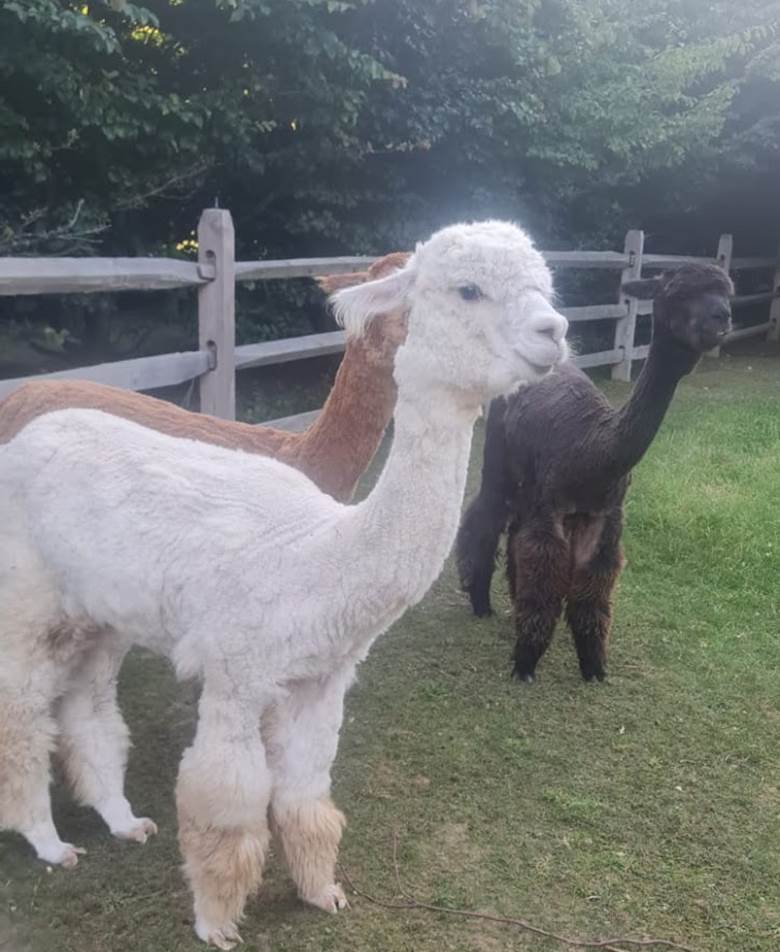
Alpacas in Their Pen
We make blankets.
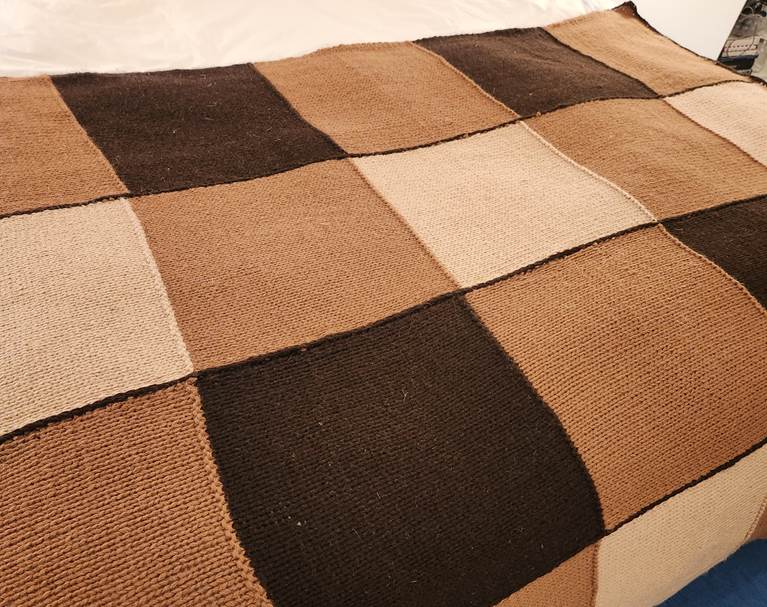
3 of Our 4 Alpacas
Contributed to This Blanket
We grow lots of fruit.
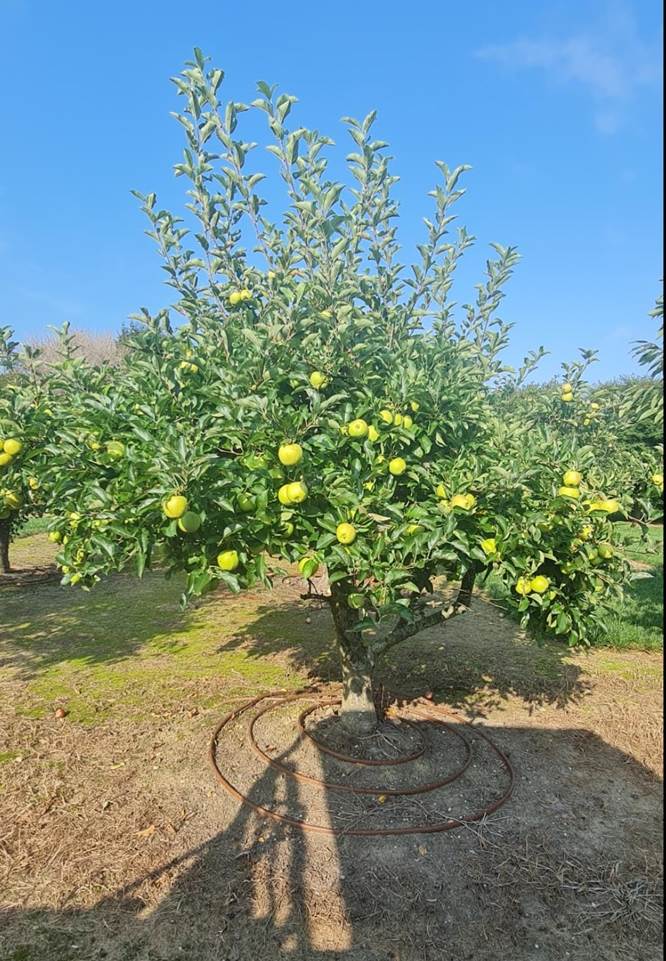
Apples
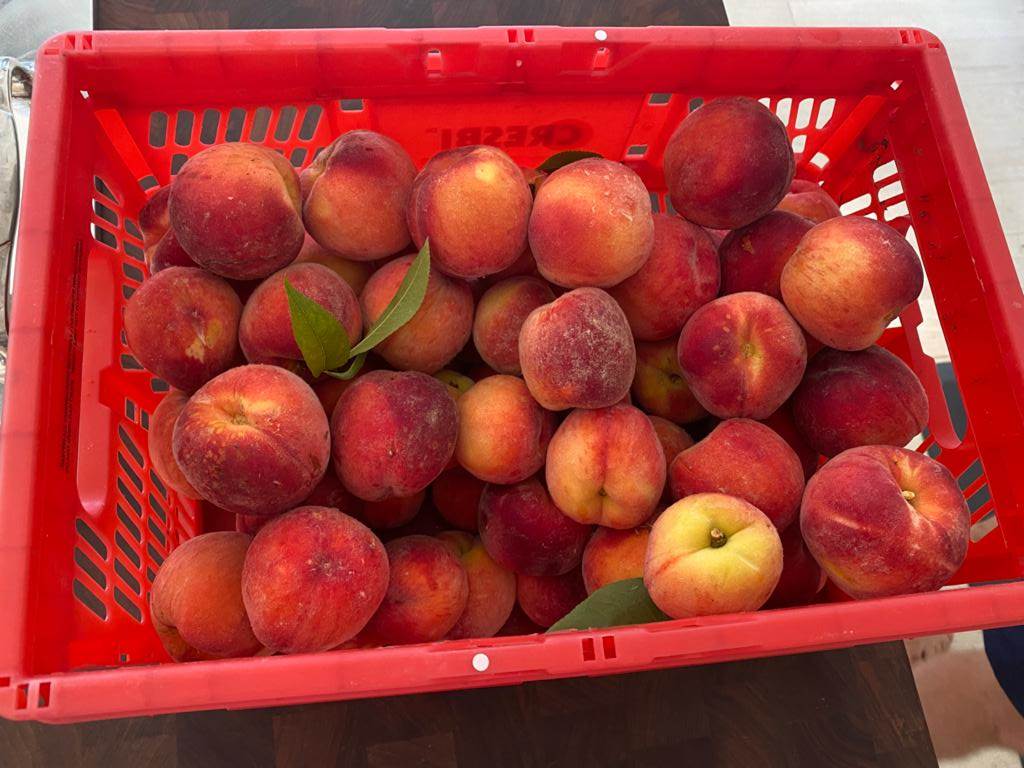
Peaches
We established and maintain
two bee hives and harvested honey this year for the first time. The bees
improve pollination on our property and in the surrounding areas.
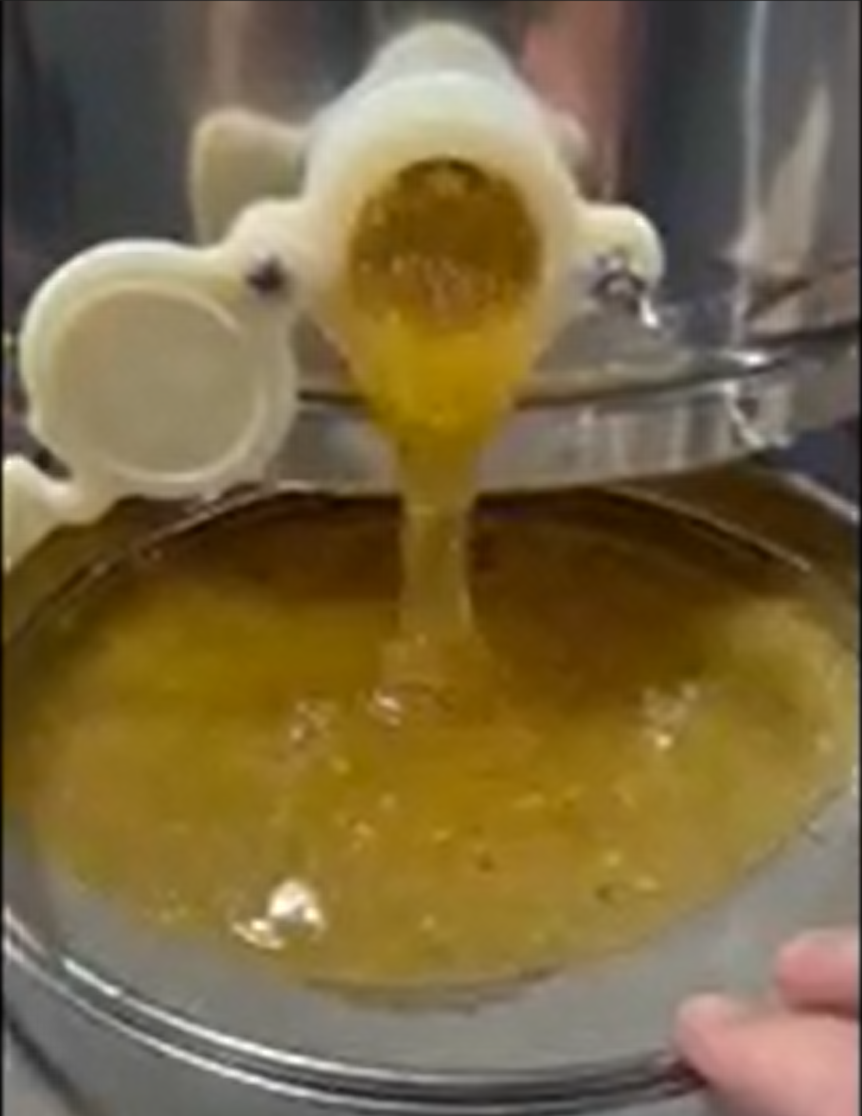
Our First Honey
BUTTER LANE FARM: THE FUTURE
To further our efforts to grow our
tree farm and cultivate endangered specimens, we proposed in 2018 to build a beautiful
greenhouse for trees.
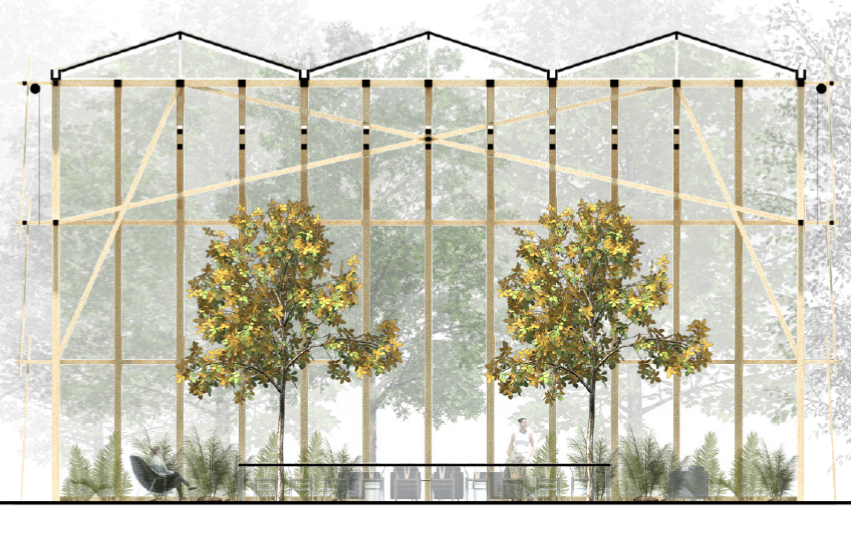
It included sophisticated heating and
cooling plans designed by engineering firm Transsolar.
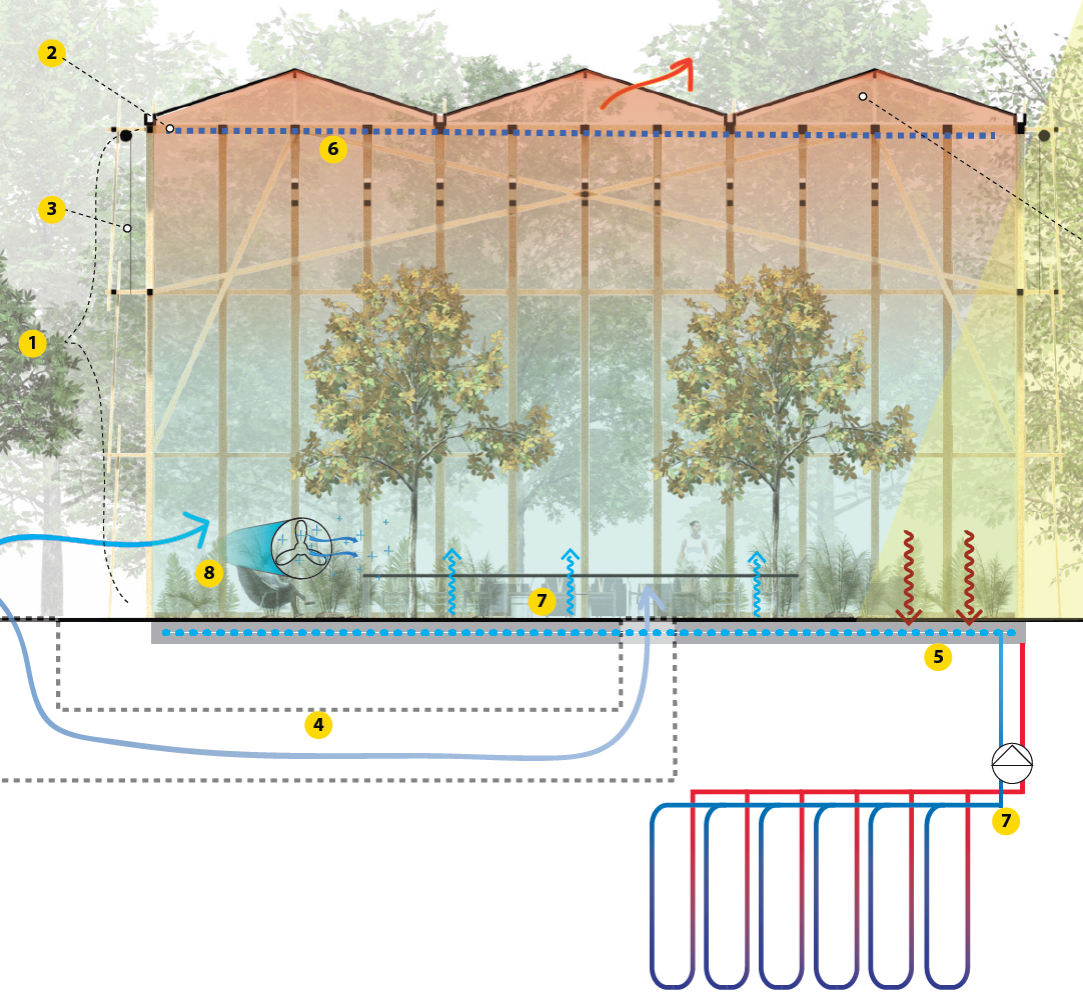
In addition to the greenhouse, we
proposed last year three small animal shelters for our alpacas and chickens,
three small storage structures for farm equipment and feed, and a bathroom for
workers.
The total proposed lot coverage is
under 5,000 square feet, which is just a bit over 1% of our 394,379 square foot
property.
APPROVALS
Our tree farm is subject to a
provision that any agricultural structures be placed in a specific area on the
West side of our property, which can be seen here:
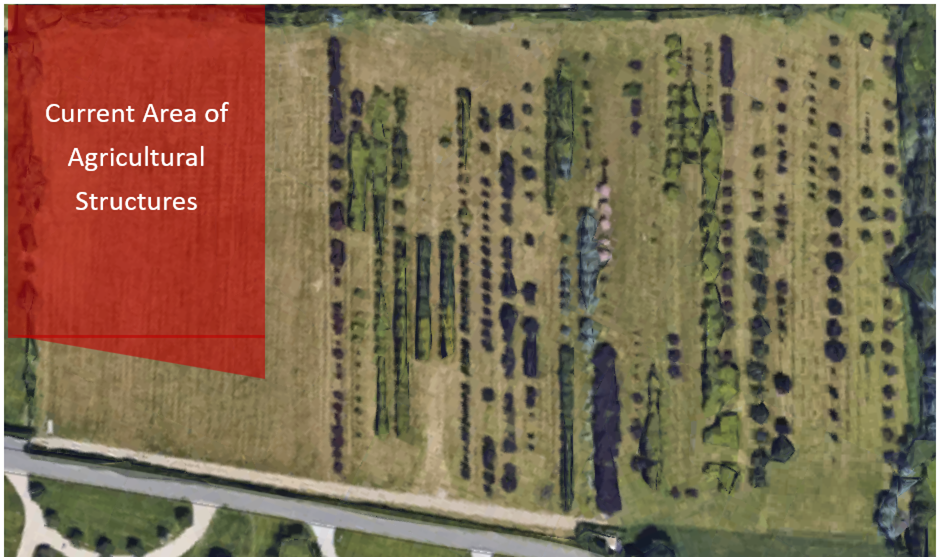
As with many projects in the
Hamptons, our farm’s neighbors have had opinions about our plans, especially
those neighbors with property adjacent to the red area above.
Since making our original proposal
six years ago, we’ve tried to address neighbor concerns by moving the
greenhouse twice towards the East.
More recently, in August 2023, we
submitted a proposal to the Town Planning Board seeking a move that the
neighbors had asked for, which is to move the area for agricultural structures
towards the middle of the property.
The new area for agricultural structures
would be the green area below:
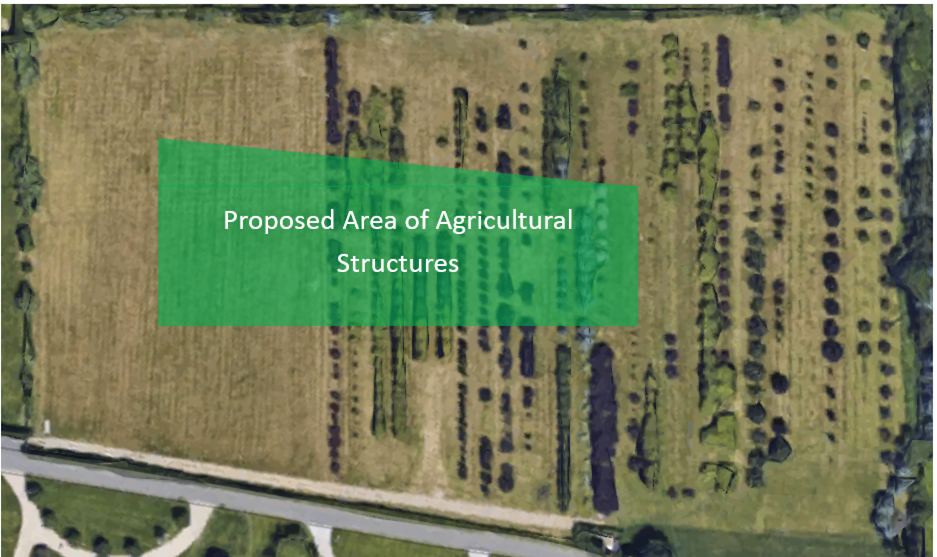
We were disappointed that the
adjacent neighbors chose to oppose this move that they had previously asked
for.
While we wait for the Planning
Board’s decision, we remain excited to continue to work on our farm and to
progress in cultivating a growing variety of rare and endangered trees.
CONTACT
We’d love to hear from you. Please
send us an email at info@butterlane.org.
Note we sell to the trade only.